Course Type: Course

  • Program Evaluation

    Program Evaluation

    This course is designed to familiarize local public health administrators and members with program evaluation, which is an essential organizational practice in public health. Program evaluation is defined as “the systematic collection of information about the activities, characteristics, and outcomes of programs to make judgments about the program, improve program effectiveness, and/or inform decisions about future program development.” This course will go over the steps of the program evaluation process as well as a basic evaluation plan.

    Intended Audience

    individuals who are new Public Health Administrators

    Learning Objectives:

    Upon completion of this part, you will be able to:

    • Describethe steps of the program evaluation process
    • Identifykey stakeholders of the evaluation
    • Describethe components of a program logic model
    • Outlinea basic evaluation plan including data collection methods
    • Listand describe three ways to use evaluation data to draw conclusions about a program

    Pre-requisites/Learning Level

    No pre-requisites

    Competencies addressed

    Core Competencies for Public Health Professionals

    • 1A1, 1B1, 1C1 – Describes factors affecting the health of a community (e.g., equity, income, education, environment)
    • 1A2, 1B2, 1C2 – Determines quantitative and qualitative data and information (e.g., vital statistics, electronic health records, transportation patterns, unemployment rates, community input, health equity impact assessments) needed for assessing the health of a community
    • 1A3, 1B3 – Applies ethical principles in accessing, collecting, analyzing, using, maintaining and disseminating data and information
    • 1C3 – Ensures ethical principles are applied in accessing, collecting, analyzing, using, maintaining, and disseminating data and information
    • 1A9 – Describes public health applications of quantitative and qualitative data
    • 2A2 – Contributes to development of program goals and objectives
    • 2B11 – Evaluates policies, programs, and services (e.g., outputs, outcomes, processes, procedures, return on investment)

    CEUs Offered

    None

    Cost

    Free

    Modality/format

    Online Self-Pace

    Length

    1 hour

    Presenter(s) and/or Content Experts

    Kellee Thorburn McCrory, Dena Fife

    Technical requirements:

    • Adobe Acrobat Reader 
    • Flash Player 
    • Speakers

    Registration requirements

    Register a free account

    Creation and/or update

    May 12, 2015

  • Accurately Weighing and Measuring Infants, Children and Adolescents: Technique

    With the availability of the WHO Growth Standards, this is an opportune time for all pediatric health care providers to re-evaluate the tools they use and the approach they have in their clinical setting for measurement, plotting and interpretation of growth charts.

    This module reviews techniques for measuring and recording infant length, weight, and head circumference and reviews the technique for obtaining and recording weight and stature for children and adolescents.

    The information in this module is intended for the measurement of typically developing children. Another module provides information on the measurement techniques to be used when children have special physical considerations and the techniques described here are not feasible.

    Intended Audience

    pediatric health care providers

    Learning Objectives:

    The objectives of the course are as follows:

    • to present accurate techniques for measuring weight, length and head circumference for infants
    • to present accurate techniques for measuring weight and stature for children and adolescents

    Pre-requisites/Learning Level

    No pre-requisites

    Competencies addressed

    Analytical/Assessment Skills, Public Health Sciences Skills, Leadership and Systems Thinking Skills

    CEUs Offered

    None

    Cost

    Free

    Modality/format

    Online Self-Pace

    Length

    1 hour

    Presenter(s) and/or Content Experts

    Technical requirements:

    • Adobe Acrobat Reader 
    • Speakers

    Registration requirements

    Register a free account

    Creation and/or update

    August 1, 2015

  • CDC BMI-for-Age Growth Chart Training

    CDC BMI-for-Age Growth Chart Training

    The CDC BMI-for-age growth reference charts described in this training course apply only to children and teens aged 2 years to 20 years. There are five sections in this course:

    • Section 1:What is Body Mass Index (BMI)
    • Section 2:Using BMI-for-age as a Screening Tool
    • Section 3:Steps to Plot and Interpret BMI-for-age
    • Section 4:References and Resources
    • Section 5:Glossary

    Self-assessment questions are included in each section. Supplemental materials are also available, including a reference and resource list.

    Intended Audience

    health care providers such as nutritionists, registered nurses, pediatricians, and other providers who measure and assess child growth

    Learning Objectives:

    At the conclusion of the training, you will be able to:

    • Describe the advantages of using the BMI-for-age growth charts to screen for underweight, overweight, and obesity among children and teens
    • Calculate BMI by using the metric and English methods
    • Demonstrate an understanding of the use of the BMI-for-age growth chart by accurately plotting and interpreting BMI-for-age on the appropriate chart

    Pre-requisites/Learning Level

    No pre-requisites

    Competencies addressed

    Public Health Science Skills, Leadership and Systems Thinking Skills

    CEUs Offered

    None

    Cost

    Free

    Modality/format

    Online Self-Pace

    Length

    1 hour

    Presenter(s) and/or Content Experts

    CDC

    Technical requirements:

    • Adobe Acrobat Reader 
    • Speakers

    Registration requirements

    Register a free account

    Creation and/or update

    August 1, 2015

  • Molly Kellogg Podcasts

    Motivational interviewing forms the foundation of this practical program. The focus here is on the basic counseling skills that are essential for Value Enhanced Nutrition Assessment (VENA).

    The program can be used by a group of staff together or by individual counselors in their own time. It is all on-line and available immediately upon purchase. It is most appropriate for nutrition counselors, though clerical staff will benefit as well. This program works best when supervisors follow along.  Consider using these units to augment your training or as part of on-going in-service sessions.

    The Program includes: Eleven units, each with an audio podcast, notes and a practical article (pdf). Suggested topics are provided for group discussion.

    • Introduction: Engaging the Client
    • The Basics: OARS Open-ended questioning Affirming Reflecting Summarizing
    • Resistance: Behavior change and resistance to change
    • Attending to the client: What is important to the client? Working with confidence to change Listening for change talk
    • When it’s time to provide advice: Providing advice effectively
    • Pulling it all together: How this fits into a WIC contact

    Intended Audience:

    WIC Staff and Counselors

    Learning Objectives:

    Learn the basic skills that are the foundation of quality nutrition counseling

    Pre-requisites/Learning Level:

    None

    Competencies addressed:

    CEUs Offered:

    N/A

    Cost:

    Free

    Modality/format:

    Online Self-Pace

    Length:

    2.5 hours

    Presenter(s) and/or Content Experts:

    Molly Kellogg RD, LCSW

    Technical requirements:

    • Adobe Acrobat Reader 
    • Speakers or Headphones

    Registration requirements:

    None

    Creation and/or update: August 1, 2015

  • WHO Growth Chart Training

    This course was developed by the CDC to train health care providers and others who measure and assess child growth on how to use the World Health Organization (WHO) growth standards to assess growth among infants and children ages birth to 2 years.

    The WHO growth standard charts described in this training course apply only to children aged birth to 2 years. There are seven sections in this course:

    • Recommendations and Rational for Using the WHO Growth Charts in the United States
    • Creating the WHO Growth Standard for Infants and Young Children
    • Comparing Methodologies Used to Develop WHO and CDC Growth Charts for Children Birth to 2 Years of Age
    • Breastfeeding as the Norm for Infant Feeding
    • Using the WHO Growth Standard Charts
    • Summary
    • Case Examples

    Self-assessment questions are included in each section. Supplemental materials are also available, including a course summary and references.

    Intended Audience

    health care providers such as nutritionists, registered nurses, pediatricians, and other providers who measure and assess child growth.

    Learning Objectives:

    At the conclusion of the training, you will be able to

    • Discuss recommendations for using the WHO growth charts
    • Describe attributes of a growth reference versus a growth standard
    • Describe the differences between WHO and CDC growth charts for infants and young children aged 0-2 years
    • Discuss the effect of infant feeding on growth
    • Identify issues to consider when interpreting WHO growth charts

    Pre-requisites/Learning Level

    No pre-requisites

    Competencies addressed

    Public Health Science Skills, Leadership and Systems Thinking Skills

    CEUs Offered

    None

    Cost

    Free

    Modality/format

    Online Self-Pace

    Length

    1 hour

    Presenter(s) and/or Content Experts

    Centers for Disease Control and Prevention

    Technical requirements:

    • Adobe Acrobat Reader 
    • Speakers

    Registration requirements

    Register a free account

    Creation and/or update

    August 1, 2015

  • WIC Works Learning Online Courses

    WIC Works Learning Online Courses

    WIC Learning Online is a series of online courses designed to train all levels of staff working in the WIC program. Select WIC Learning Online courses are approved for CPEUs by the Commission on Dietetic Registration and CERPs by the International Board of Lactation Consultant Examiners. This continuing education activity was approved by the Maryland Nurses Association, an accredited approver by the American Nurses Credentialing Center’s Commission on Accreditation.

    Intended Audience

    Learning Objectives

    Pre-requisites/Learning Level

    None

    Competencies addressed

    CEUs Offered

    Cost

    Free

    Modality/format

    Online Self-Pace

    Length

    1 hour

    Presenter(s) and/or Content Experts

    United States Department of Agriculture

    Technical requirements

    • Adobe Acrobat Reader 
    • Speakers

    Registration requirements

    Register a free account

    Creation and/or update

    June 22, 2017

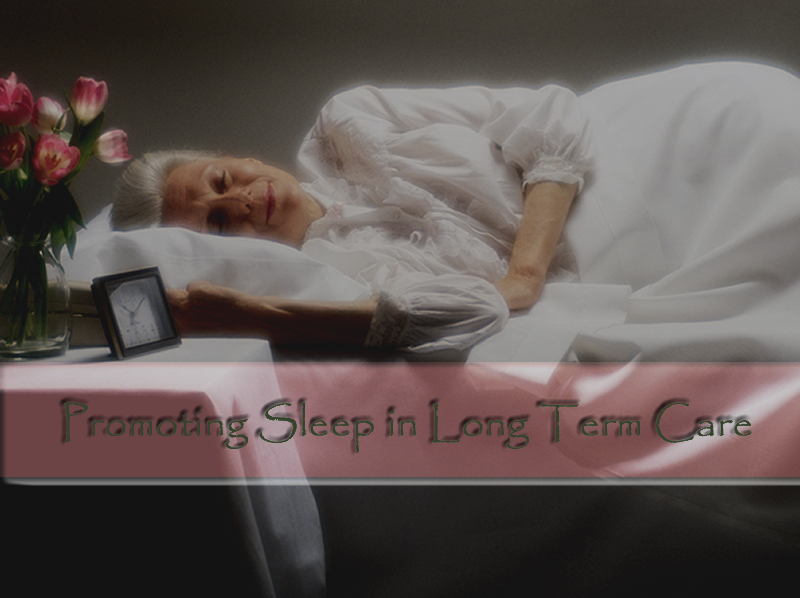
  • Promoting Sleep in Long Term Care

    Promoting Sleep in Long Term Care

    The goal of this course is for nursing home staff to be able to use interventions and techniques to help long term care residents improve their sleep quality.

    Intended Audience

    nursing assistants and nurses at nursing homes.

    Learning Objectives:

    At the end of this course, you will be able to:

    • Discuss normal changes in sleep for elderly residents and what is considered a sleep disturbance
    • Explain why it is important to be aware of and intervene in disturbed sleep patterns
    • List factors that contribute to disturbed sleep in long term care residents
    • Discuss which interventions might work for different sleep disturbances and how to effect change in environment
    • Apply appropriate interventions to improve the sleep quality of LTC residents

    Pre-requisites/Learning Level

    No pre-requisites

    Competencies addressed

    Core Competencies for Public Health Professionals

    • Domain 3: Communication Skills
      3A2. Communicates in writing and orally with linguistic and cultural proficiency (e.g., using age-appropriate materials, incorporating images).

    CEUs Offered

    None

    Cost

    Free

    Modality/format

    Online Self-Pace

    Length

    1 hour

    Presenter(s) and/or Content Experts

    Dr. Ann Bossen, RN, PhD; Kristine Williams, RN, PhD, FGSA, FAAN

    Technical requirements

    • Adobe Acrobat Reader 
    • Flash Player 
    • Speakers

    Registration requirements

    Register a free account

    Creation and/or update

    Creation date: December 4, 2015

    Update date: June 24, 2019

  • Improving the Health of the Community: My Role as a Board of Health Member

    Improving the Health of the Community: My Role as a Board of Health Member

    This video provides an introduction of the roles and responsibilities that new board
    of health members have for improving the health of community.

    Intended Audience

    New board of health members.

    Learning Objectives

    At the end of this training video, you will be
    able to:

    • Discuss roles and responsibilities of new board of health
      members.
    • Discuss resources available to new board of health
      members.

    Pre-requisites/Learning Level

    No pre-requisites

    Competencies addressed

    Domain 7: Financial Planning and Management
    Skills

    • 7B3: Implements policies and procedures of the governing
      body or administrative unit that oversees the organization (e.g., board of
      health, chief executive’s office, Tribal council)
    • 7C3: Manages the implementation of policies and procedures
      of the governing body or administrative unit that oversees the organization
      (e.g., board of health, chief executive’s office, Tribal council)

    CEUs Offered

    None

    Cost

    Free

    Modality/format

    Online Self-Pace

    Length

    15 minutes

    Presenter(s) and/or Content
    Experts

    Gerd Clabaugh

    Technical requirements

    • Adobe Acrobat Reader 
    • Flash Player 
    • Speakers

    Registration requirements

    Register a free account

    Creation and/or update

    May 24, 2016

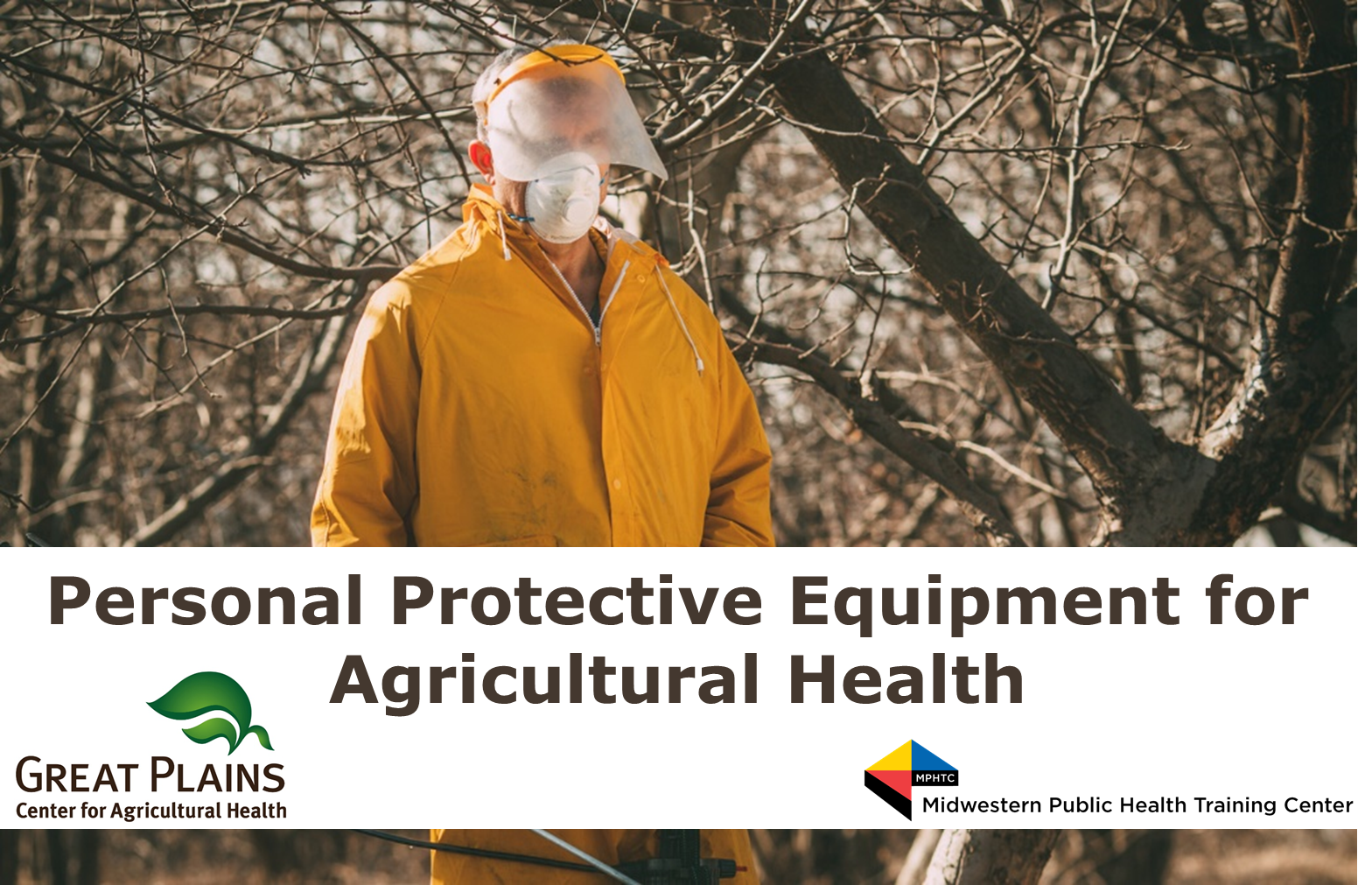
  • PPE for Agricultural Health

    PPE for Agricultural Health

    The goal of this course is for rural health and safety professionals to be able to recognize the responsibilities of employers and employees when using PPE in the workplace and apply methods for the proper selection of PPE.

    Intended Audience

    The intended audience for this course is rural health professionals.

    Length

    The length for this course is approximately 2 hours depending on the individual user. Upon completion of the course, you will get a certificate of completion from the Great Plains Center of Agricultural Health at the University Of Iowa College Of Public
    Health.

    Prerequisite Requirement

    NA, however, it is advisable that you have some basic understanding of agricultural environment.

    Learning Objectives

    At the completion of this course, you will be able to:

    • Describe types of Personal Protective Equipment (PPE)
    • Recognize the responsibilities of employers and employees when using PPE in the workplace
    • Apply methods for the proper selection of PPE

    Core Competencies for Public Health Professionals

    Domain 3: Communication Skills

    3A2. Communicates in writing and orally with linguistic and cultural proficiency (e.g., using age-appropriate materials, incorporating images).

    Before you begin, please take the pretest. The pretest score will not be counted toward your final score.

    Content

    The content for this course is about the personal protective equipment for agricultural workplaces.

    The course includes a learning module with interactivity and scenario application activities, a list of resources, and a posttest at the end of this course. A Certificate of Completion is awarded on successful completion of this course. In order to successfully
    complete this course, you MUST score 70% or higher on the posttest. If you do not receive 70% on the posttest, you may review the material and re-take it.

    Continuing Education Credit

    This course has been approved for continuing education credit for the following professions (details available in course materials):

    • Nurse/Nurse Practitioner – ANCC contact hour(s)
    • Pharmacist/Pharmacy Technician – ACPE contact hour(s)
    • Physician – AMA PRA Category 1 Credit(s)
    • Other Health Care Providers – A certificate of participation stating the number of AMA PRA Category 1 Credit(s)™ the course awards will be available after successful completion of the course. (It is the responsibility of licensees to determine if
      this continuing education activity meets the requirements of their professional licensure board.)

    A separate registration process will be required after successful completion of the course.

    Acknowledgements

    The following organizations collaborated on the development of this course: The Great Plains Center for Agricultural Health and the Midwestern Public Health Training Center, University of Iowa College of Public Health (MPHTC–UICPH).

    This project is supported by Grant Number 5 U54 OH007548-11 from the CDC – NIOSH for the Agricultural Medicine Core Course (Diane Rohlman, PI) a project within the Great Plains Center for Agricultural Health (Renee Anthony, PI).  Course contents
    are solely the responsibility of the authors and do not necessarily represent the official views of the CDC or NIOSH.

    Subject Matter Experts:

    Matt Nonnenmann, PhD, CIH (primary content developer),
    Fred Gerr, MD,
    LaShelle Morrison, MS,
    Kay Mohling, MA,
    Diane Rohlman, PhD

    Photos provided by: 3M, Pacific Northwest Agricultural Safety and Health Center, Central States Center for Agricultural Safety and Health, Southwest Center for Agricultural Health, Injury Prevention, and Education, STIHL, and BoaterExam.com

    Accessibility Statement

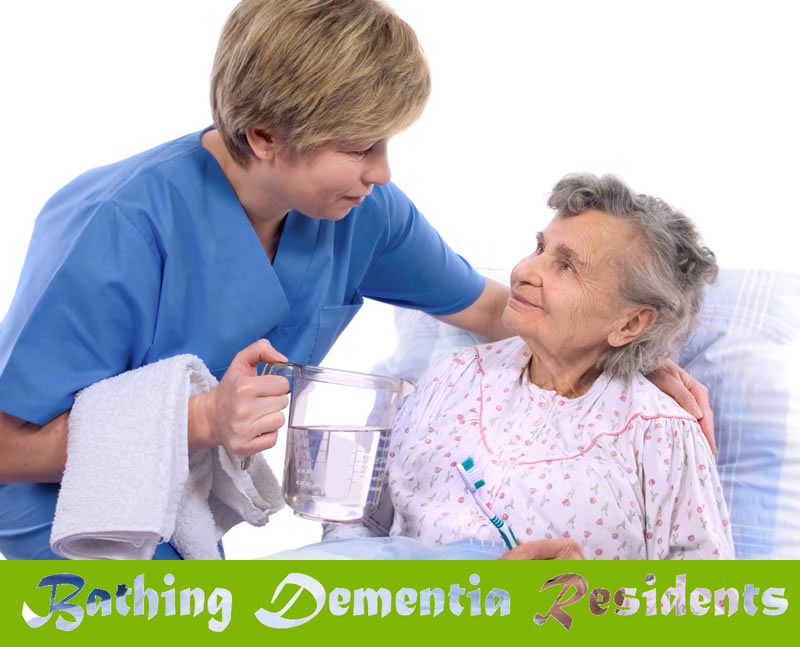
  • Bathing Dementia Residents

    Bathing Dementia Residents

    The goal of this course is for nursing home staff to be able to use strategies and techniques to make bathing enjoyable for residents with dementia.

    Intended Audience

    Nursing assistants and nurses at nursing homes

    Learning Objectives

    Upon completion of this course, you will be able to:

    • Describe the factors that contribute to aggressive behaviors during bathing for residents with dementia
    • Identify the components of the four strategies of how to improve the bathing experience of residents with dementia
    • Recognize when to stop bathing experience of residents with dementia
    • Apply the strategies of improving bathing experience to help residents with dementia feel safe, remain calm, and enjoy bathing

    Pre-requisites/Learning Level

    No pre-requisites

    Competencies addressed

    Core Competencies for Public Health Professionals identified:

    Domain 3: Communication Skills

    • 3A2. Communicates in writing and orally with linguistic and cultural proficiency (e.g, using age-appropriate materials, incorporating images)

    CEUs Offered

    None

    Cost

    Free

    Modality/format

    Online Self-Pace

    Length

    1 hour

    Presenter(s) and/or Content Experts

    Kelly McGee

    Technical requirements:

    • Adobe Acrobat Reader 
    • Flash Player 
    • Speakers

    Registration requirements

    Register a free account

    Creation and/or update

    November 4, 2014